
How to work well with your builder (and avoid delays, stress & extra costs)
Founder, Planning to Build
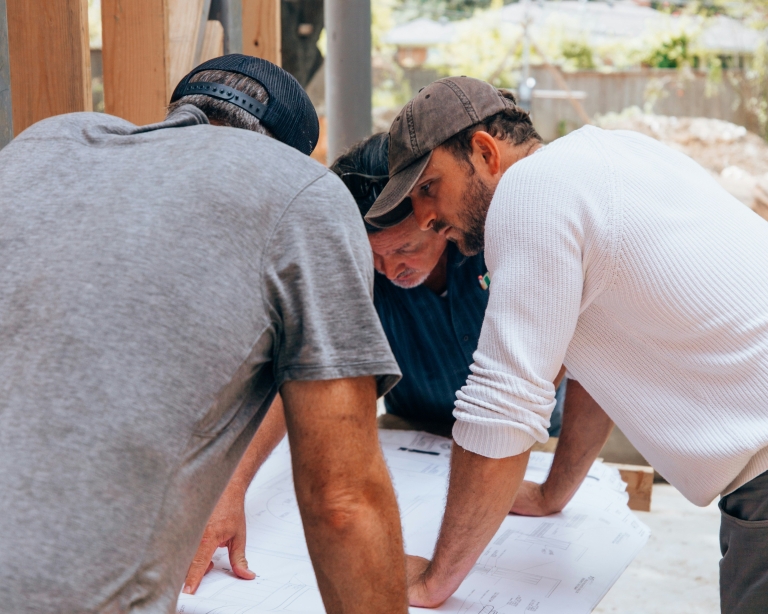
A good builder can make a home extension feel manageable. A bad working relationship can turn it into months of stress, arguments and unexpected costs. Most problems don't come from "bad builders" - they come from misaligned expectations, unclear decisions and poor communication on both sides.
Homeowners often read advice on how to avoid bad builders, but far fewer articles talk about how clients can unintentionally cause problems too - through late decisions, unclear briefs or assumptions that were never written down.
Builders don't start projects intending for them to go wrong. Most are trying to deliver good work while managing labour shortages, rising material costs, supplier delays and inspection schedules - often with very little slack. When things become tense on site, it's rarely because someone doesn't care. It's usually because expectations were unclear or decisions changed under pressure.
This guide isn't about protecting builders at a homeowner's expense or blaming clients when things go wrong. It's about recognising that successful projects depend on both sides working together, with clear expectations and mutual respect.
If you want your project to run smoothly, here's how to work with your builder, not against them.
If you haven't already, it's worth pairing this guide with our earlier article what to check in a builder's quote - a practical breakdown of what homeowners should look for before work starts, including allowances, exclusions and common grey areas.
Together, these guides are designed to be fair. One helps you choose and assess a builder properly, the other helps you be a good client once work begins. Both sides matter if you want a smooth project.
Set expectations before work starts
Many disputes begin long before the first brick is laid. Problems often arise not because anyone intended to cut corners, but because expectations were never fully aligned at the start.
Before work begins, it's important that you and your builder have a shared understanding of what the quote actually covers. This includes what is included and excluded, who is responsible for supplying materials, fixtures and finishes, how site access and working hours will be managed and how changes or variations will be handled if something needs to be adjusted mid-build.
Avoid relying on vague assumptions or phrases like "we'll figure it out later". If something matters to you - whether that's specific finishes, timelines, noise levels or access to parts of your home - raise it early and make sure it's understood on both sides. Clear expectations protect both you and your builder.
Good builders shouldn't see this level of clarity as difficult, because it reduces uncertainty and makes the project far more likely to run smoothly.
Make decisions early (and stick to them)
Late decisions are one of the most common reasons projects overrun on time and cost. Once work has started, even small changes can have a knock-on effect that's easy to underestimate.
Changes to layouts, windows, doors, kitchens, bathrooms, flooring or lighting often require rework, additional labour or delays while new materials are sourced. What feels like a minor tweak can ripple through multiple trades and disrupt the schedule.
Spending more time planning upfront allows your builder to progress without pauses or guesswork. Once decisions are made, try to stick to them wherever possible. Certainty helps everyone move faster and reduces unnecessary tension.
Communicate clearly - but not constantly
Good communication is essential, but more communication isn't always better. What matters most is that expectations around updates and decision-making are clear.
Early on, agree how progress will be shared, whether that's through weekly site chats, email updates or messaging apps. Decide who makes day-to-day decisions and how urgent questions should be handled. This avoids frustration on both sides and prevents misunderstandings from lingering.
If something concerns you, raise it early and calmly. Small issues are far easier to resolve before they become entrenched problems. At the same time, avoid constant on-site interventions unless something genuinely requires immediate attention. Trusting your builder to do their job is part of working well together.
Understand what causes delays (and what doesn't)
Not every delay is a sign of poor organisation. Building work depends on many factors outside a builder's direct control.
Weather, supplier lead times, building control inspections and unexpected site conditions can all affect progress. These are realities of construction, not necessarily red flags.
We're always getting knocked back by factors we can't accurately account for nor predict. Deliveries are late, plaster decides to dry slow, vans break down, half way through you discover a wall that's full or damp and needs knocking back to the brick.— Reddit user on r/AskUK
What is avoidable are delays caused by missing information, unclear drawings, late decisions or assumptions that were never agreed in writing. Understanding the difference helps keep discussions fair and focused and prevents unnecessary blame when things slow down.
Respect that building sites aren't showrooms
During a build, your home will feel very different - and often uncomfortable. Noise, dust, disruption and temporary mess are all part of the process.
It's important not to judge the quality of work too early. Many stages look rough before they're finished, and partially completed work rarely reflects the final result. Instead of focusing on how things look mid-build, pay attention to progress, communication and whether the work aligns with what's been agreed.
A tidy site does matter, but constant pressure to make everything look "finished" before it's ready can slow things down rather than speed them up.
Handle changes properly
Changes are normal on most projects, but how they're handled makes all the difference.
If you want to alter something, ask your builder to explain the cost and time implications before work proceeds. Make sure those changes are confirmed in writing and accept that they may affect the overall schedule.
Even small changes can create additional work or delay other trades, so it's rarely realistic to assume they'll be free. Clear, documented decisions protect both sides and prevent disputes later.
Pay on time - and only for agreed work
Cashflow matters in construction and payment issues are a common source of conflict.
Payments should follow the agreed schedule, reflect completed stages and relate only to work that matches what's been agreed. Avoid paying large sums upfront, but also avoid withholding payment without explanation.
If there's a problem, discuss it openly rather than using payment as leverage. Fair, predictable payment builds trust and keeps the project moving.
Remember: you're hiring expertise, not just labour
A good builder brings experience as well as hands-on skill. You're paying for their ability to anticipate problems, suggest practical solutions and understand what will pass inspection.
Listening to advice, asking questions and treating the relationship as a collaboration rather than a transaction leads to better outcomes. You don't have to accept every suggestion, but dismissing expertise outright often creates unnecessary friction.
Do a proper snagging process at the end
The end of a project deserves just as much attention as the start. Rushing handover is a common mistake.
Walk through the work with your builder, list any defects clearly and agree on a timeline for addressing them. Final payment should only be held back for unresolved snags, not as a blanket precaution.
Most builders want to leave a job proud of their work. A clear, fair snagging process gives them the opportunity to do exactly that.
The smoother the working relationship, the smoother the build tends to be.
Clear expectations, early decisions, respectful communication and written agreements don't just reduce stress - they reduce delays, rework and unexpected costs. A builder who feels trusted and respected is far more likely to go the extra mile when problems inevitably arise.